













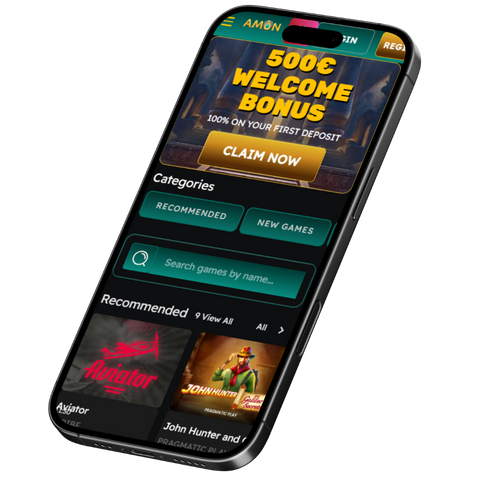
Apk Amon Casino Setup For Hitnspin

In France, Hitnspin offers a mobile-first way to play in 2026, with clear setup steps, limits, and support for adults.

Fortune Gems 2 Slot

Table of Contents

  • The Dog House Megaways Slot
  • Lucky Joker 10 Extra Gifts Slot
  • Sword of Ares Slot
  • Floating Dragon Hold & Spin Slot
  • Leprechaun Riches Slot
  • Fruit Cocktail Slot
  • The Dog House Megaways Slot
  • Sword of Ares Slot
  • Fruit Million Slot
  • The Dog House Megaways Slot
  • Fruit Box Slot
  • Big Fisherman Slot
  • Seven Books Unlimited Slot
  • Amon Casino Fortune Slot
  • Sword of Ares Slot
  • Floating Dragon Hold & Spin Slot
  • 9 Mad Hats Slot
  • Floating Dragon Hold & Spin Slot
  • Big Bass Splash Slot
App 1

Why Amon Casino Mobile Searches Lead To Hitnspin

People don’t search “mobile casino” because they love menus - they search because they want the shortest path from phone to play, without getting lost in settings. In France, Hitnspin fits that intent by keeping the core actions simple: install, sign in, set limits, then choose a game. That’s the whole loop, and it’s the loop most players actually follow in real life.

Picture this: you’ve got a quiet half hour, you open your phone, and you just want something that works. No detective work, no guessing where the cashier is, no awkward back-and-forth when you try to pause. The mobile experience feels “good” when you always know what the next step is, and Hitnspin is easiest when you treat it like a routine, not a spree.

A lot of frustration comes from mixing goals. If you try to install, register, deposit, and test five games in one sitting, you end up with a blur of screens and a memory of “something didn’t apply.” The calmer approach is to split your first day into two blocks: setup block and play block. You’ll be surprised how much smoother everything feels when you separate those.

In 2026, the mobile habit is also about discipline. Phones make it effortless to tap one more time. So, instead of relying on willpower, you build structure: a timer, a budget line, and one clear stopping rule. When you do that, the whole experience becomes lighter.

Mobile First: What Players Actually Need

Most players don’t want features on a checklist - they want a clean flow. Can I log in quickly? Can I find my balance and recent activity? Can I set a time limit without hunting? Can I contact support without writing a novel? Those are the “mobile questions” that matter.

Imagine you’re playing on the couch while your phone keeps buzzing. If the interface is cluttered, you’ll mis-tap and then get annoyed. If the interface is predictable, you can keep the session short and tidy, and you don’t feel dragged into it.

A practical tip that sounds boring but works: pick one device as your main device. Switching between phone and another screen during the same session creates confusion, especially when you’re trying to remember what you already confirmed.

A Quick Five Minute Setup Ritual

Start by opening the app and finding three places: account settings, cashier, and activity history. Then set a timer for your first session, even if it’s short. Finally, do a tiny test run and stop on purpose.

Picture this: you only planned to “look around,” but you start playing and lose track of time. The ritual prevents that. It’s five minutes of setup that buys you a calmer month of sessions.
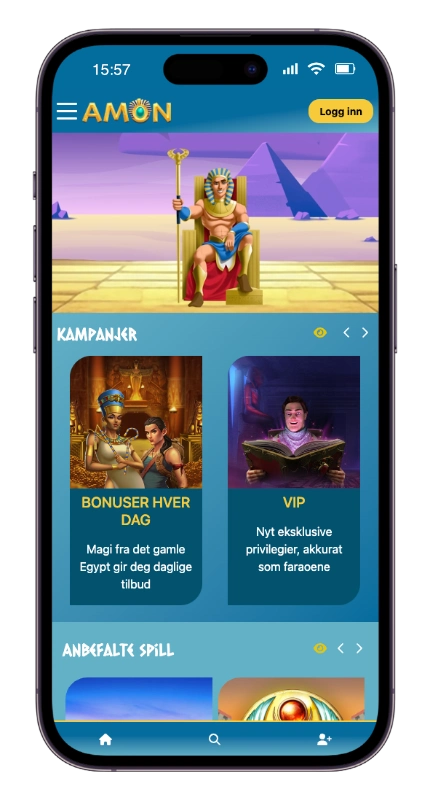

app 2

Download Choices And Safe Installation Habits

Installing on a phone should feel boring. That’s a compliment. “Boring” means predictable: you know what you’re installing, you know the device is ready, and you don’t end up repeating steps because something froze. In France, a safe install routine is simply about patience and order.

Picture this: you’re on mobile data, the download finishes, and you want to open the app instantly. If you rush, you might skip a permission prompt or miss a confirmation screen, and later you’ll wonder why something doesn’t show up in your activity. The better move is to treat installation like a checklist: download, install, open, verify, then play.

Another habit that prevents headaches is keeping your phone stable during important actions. That includes installation, login changes, and cashier operations. If your connection drops mid-confirmation, you’ll be stuck in the worst mood: uncertain. Your goal is to avoid uncertainty more than to avoid mistakes.

Also, avoid “fixing” problems by tapping faster. Fast tapping creates duplicate actions and makes your story harder to reconstruct. Slow down, check status once, and only then act.

Android Install Files And What To Check

On Android, players sometimes talk about install files because they want a direct setup path. The safe approach is not about chasing shortcuts, it’s about verifying basics: enough storage, updated system, and a stable connection. Those three reduce most weird issues.

Imagine you try to install while your phone is almost full and an update is running in the background. The app opens sluggishly, you press buttons twice, and now you don’t know what you confirmed. A quick device check up front prevents that kind of mess.

Once installed, do a “first open” without pressure. Don’t jump straight into games. Find the settings, look at your activity area, and confirm you can get back to the lobby easily. If you can navigate calmly during this first open, you’ll navigate calmly later when you actually care.

If something looks off, the simplest fix is often to close the app fully, reopen, and try again on a steadier connection. Don’t stack fixes. One change, one check, then decide.

app 3

Register, Verify, And Set Limits Before Playing

Registration is where people either build a smooth account or create a future problem. The difference is usually not intelligence, it’s mood. When you’re excited, you rush. When you’re calm, you enter details carefully and finish the boring steps that prevent interruptions later.

Picture this: it’s late, you want to play quickly, and you tell yourself you’ll “handle verification later.” Later tends to arrive at the worst moment, usually when you try to withdraw or change something important. The clean method is to handle account basics early, then keep your profile stable.

Start by entering accurate details and confirming your contact information. Keep it simple: you want a single, coherent profile that won’t trigger extra checks later. Then, before you play, set limits. A budget line and a session timer are the two most practical tools because they reduce impulsive decisions without requiring you to “be strong” every time.

Now, the part people avoid: pauses. You don’t need to use them every day, but you should know where they are. If you ever feel your session turning into a chase, a short timeout is a reset button. It’s easier to press a button than to argue with yourself.

In France, access is intended for adults and should follow applicable rules. You don’t need to recite legal language to behave responsibly. You just need to play when you’re clear-headed, keep control tools active, and avoid using gambling as a way to “fix” a bad mood.

Another underrated step is deciding how you’ll end a session. Most people start a session but don’t plan an exit. Plan a clean exit: timer ends, you check activity once, you close the app. That’s it. If you want another block, you start a new block after a short pause, not in the heat of the moment.

Cashier On Phone: Deposits, Withdrawals, And Timing

The cashier is where small screens create big emotions. On mobile, one laggy second can make you think nothing happened, and then you tap again. That’s how uncertainty starts. A calm cashier routine is built around one rule: tap once, then verify status in your activity history before doing anything else.

Picture this: you’re on the sofa, connection is okay but not perfect, and you confirm a deposit. The screen loads slowly, and your finger hovers. Instead of tapping again, you wait, then check history. That one habit prevents duplicates and keeps your session clean.

Use one primary payment method for a session. Constantly switching methods makes it harder to remember what you did and can introduce extra steps. Consistency is not restrictive, it’s clarifying. If you want to experiment with methods, do it on a different day as a separate “setup session.”

Below is a simple table you can use as a quick mobile cashier checklist. It’s not about being paranoid, it’s about being organized.

Cashier Step

What to check

Where To Look

Practical Reason

Method Choice

Same method for the session

Cashier screen

Keeps actions consistent

Amount

Read before confirming

Confirmation page

Avoids quick mis-entries

Status

Pending, completed, failed

Activity history

Prevents repeat actions

Limits

Budget and time set

Control tools

Stops impulse top-ups

Profile Stability

No edits during requests

Account settings

Reduces extra checks

Small Test Deposit Before A Real Session

A small test deposit is a confidence builder. You confirm the flow, see where the status appears, and learn how the app behaves on your device before you commit to a longer session.

Imagine you plan a weekend session and want zero surprises. A small weekday test makes that possible. You’re not “wasting” anything, you’re buying clarity.

Withdrawal Requests Without Panic

Withdrawals are smoother when you keep your account stable. Avoid editing profile details right before a request, and avoid sending multiple requests because you feel impatient. One request, then a status check, then you wait for the next update.

Picture this: you request a withdrawal, then you immediately tweak settings because you think it will “help.” Often it just adds noise. The better approach is calm: submit, check history, pause, and only contact support if the status doesn’t move after a reasonable wait.

If you need to ask for help, give facts, not frustration. Device used, approximate time, method selected, and the exact status you see. Clear input gets clearer output.

What To Do If Status Stays Pending

Don’t spam actions. Note the time, take a breath, refresh once, and check history again. If it still looks stuck, contact support with a short, factual description.

Imagine you keep tapping because you want certainty right now. You end up with less certainty. A single check cycle is cleaner than ten reactive clicks.

Game Flow On Mobile: Short Sessions That Stay Fun

Mobile sessions feel best when they’re short and intentional. A phone is not a desk setup. It’s a device that follows you into busy moments, tired moments, and distracted moments. That’s why short blocks work: they fit reality.

Picture this: you’re waiting for dinner to cook, you open a game, and suddenly you’re still playing after the timer you never set. Short blocks fix that. Decide you’ll play for fifteen minutes, then stop and close. If you want more, take a two-minute break and start a second block on purpose.

Another helpful habit is to keep your stake stable inside a block. Changing stake mid-block is usually an emotional reaction. If you want to change stake, end the block, take a short pause, and start a new one. That little separation keeps you from “chasing a feeling.”

Sound Off, Notifications Off, Focus On

Turn off distractions during your block. Silence non-essential notifications, set your phone down, and play with your full attention for a short period.

Imagine you play while answering messages. You mis-tap, you lose track, and then you play longer to “make it feel worth it.” One focused block avoids that spiral.

Timeouts and self-exclusion when needed

Timeouts are practical when you notice your tapping speed increasing or your mood shifting. They stop the autopilot loop. Longer breaks are useful when you see a pattern across days, not just one night.

Picture this: you open the app without a real plan, just because it’s there. A timeout interrupts that reflex. You come back later with an actual decision: play a short block or do something else.

The point is not to shame yourself. The point is to protect your time and budget while keeping gambling in the “entertainment” category.

Support and troubleshooting in a clean way

Most “bugs” feel bigger on mobile because you’re already multitasking. The fix is usually structure. If something doesn’t look right, stop playing, check your activity history, and identify the exact step where it changed. Then decide: wait, retry once, or contact support.

Picture this: you think an action didn’t apply, so you repeat it five times. Now you’ve created a messy situation and you can’t describe what happened. The clean method is the opposite: one attempt, one verification, then escalation with facts if needed.

When you contact support, keep your message short: what you tried, what you saw, what you expected. Add device type and approximate time. Avoid theories. Facts are faster.

Finally, don’t troubleshoot while irritated. Close the app, take a moment, then return. You will make fewer mistakes and write a clearer request.

Frequently Asked Questions

Install on a stable connection, check free space, then open the app for the first time without playing. Imagine you are in a hurry and tapping everywhere, you will create unnecessary confusion. Instead, locate the settings, the cashier, and the activity history, then run a micro-test for a few minutes before a real session.

Close the app completely, stabilize the connection, then relaunch without multiplying taps during loading. Imagine a screen that hesitates and your finger insisting, that's where errors are born. Then check the history to confirm the status of your actions, and resume with a short session, not a long tide of clicks.

Apply a simple rule: you confirm only once, then you check the status in the activity before doing anything else. Imagine a second of lag and the urge to tap again, this creates uncertainty. Keep a main method for the session, re-read the amount before validation, and avoid modifying your information during a request.

Use it as soon as you feel impatience, fatigue, or the urge to “catch up” on something. Imagine tapping faster or staying just to change your mood, it’s a clear signal. A timeout cuts off automatism and allows you to come back later with a plan, or not come back at all if you prefer.

Set a timer before you start, choose a budget, and don't change your bet in the middle of the block. Imagine relying on your current feeling to stop; it changes quickly. A mechanical end to the block (timer, pause, closing) makes the session lighter and avoids the "just one more."

Because it shows you where to read the statuses, how the app reacts on your device, and if your playing rhythm remains comfortable. Imagine starting directly on a long session and then discovering a forgotten setting detail; you'll be annoyed. A short test, followed by an activity check, gives you clarity without pressure.

Write in three parts: the action attempted, the result observed, and what you expected, with the approximate time and your device. Imagine a vague message like "it doesn't work"; it often triggers a list of questions. A factual description reduces back-and-forth and helps you solve the issue without turning the session into a debate.