













Amon Casino Promo Codes

In France, Amon Casino helps adult players activate offers, manage the cashier, and set clear limits in 2026.

Fortune Gems 2 Slot

Table of Contents

  • The Dog House Megaways Slot
  • Lucky Joker 10 Extra Gifts Slot
  • Sword of Ares Slot
  • Floating Dragon Hold & Spin Slot
  • Leprechaun Riches Slot
  • Fruit Cocktail Slot
  • The Dog House Megaways Slot
  • Sword of Ares Slot
  • Fruit Million Slot
  • The Dog House Megaways Slot
  • Fruit Box Slot
  • Big Fisherman Slot
  • Seven Books Unlimited Slot
  • Amon Casino Fortune Slot
  • Sword of Ares Slot
  • Floating Dragon Hold & Spin Slot
  • 9 Mad Hats Slot
  • Floating Dragon Hold & Spin Slot
  • Big Bass Splash Slot

Use Promo Code Amon Casino Without Stress

A promotional code is a small key - but only if you use it at the right time and in the right place. Most frustrations come from a very simple scenario: you activate quickly, launch a game randomly, then wonder why the offer doesn't "follow". It's not necessarily a technical problem, it's often an order problem.

Promo 1

Imagine you have ten minutes before going out. You see an offer, you click, and you go directly to play because you want to make the most of your time. Two minutes later, you no longer know if the activation went through, or where to check. In moments like these, the golden rule is short: one action, then a check, then the game.

In 2026, everything moves fast on mobile, so deliberate slowness becomes an advantage. Take twenty seconds to locate the "offers" section or the cashier area, and remember one reflex: do not leave the activation screen until you have seen a clear status. This avoids loops where you come back, click again, change games, and end up doubting everything.

Last thing to keep in mind: a promo is not a magic wand. It can have a selection of games, a betting limit, a period, or a path to follow. If you accept this from the start, you play more relaxed, because you are no longer trying to "guess" what the system is doing.

Amon Casino Promo Codes: Step-by-Step Activation

Start with the simplest but most profitable step: being sure of your account. Check that you are logged in, that your profile is filled out correctly, and that you see a section dedicated to offers or an area in the cashier to enter a code. Only then, enter and validate once, not ten times.

Imagine you are in transit, with a connection that keeps dropping. You validate, the screen loads, you move on to something else, and in the evening you have a doubt: "was it activated or not?" In this case, go back to the same section and look for a concrete marker: active status, internal confirmation, or a visible trace in the history.

Once the status is confirmed, choose a game compatible with the offer (if the offer specifies categories) and maintain a steady pace. This is not the time to test fifteen different titles. The more consistent you are, the faster you will understand if the offer "counts" and how it progresses.

Avoid Entry and Validation Traps

The most frequent errors are tiny: an extra space, a copy-paste that adds an invisible character, a validation typed twice because the screen seems slow. And then, instead of waiting, you click everywhere again, which makes the situation unclear.

Imagine you are in a hurry and press "validate" twice. You have just created unnecessary doubt: is the request pending, duplicated, or rejected? The solution is simple: wait a few seconds, then check the status in the promo section instead of restarting.

If the activation does not display, first check your profile and your internal messages. Often, an incomplete account step or a detail to confirm blocks the display. Correct what is missing, then make a single, clean attempt again.
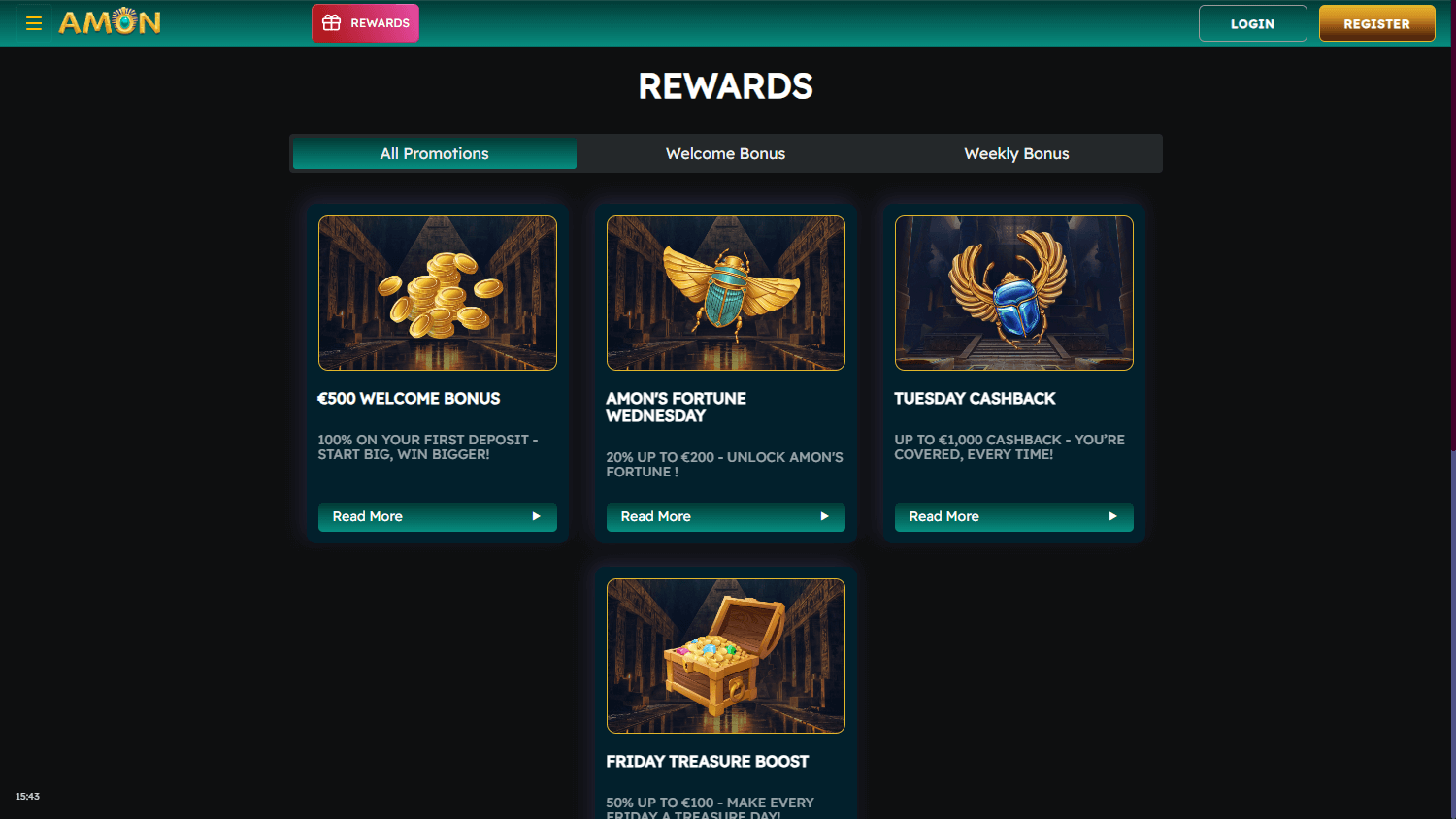
promo 2

Promo Codes Amon Casino: Where to Find Them

An offer might be active without you immediately “feeling” it. That's why where you check matters as much as where you activate. On Amon Casino, the idea is to identify two zones: the area where you activate (offers or checkout) and the area where you track (status, progress, history).

Imagine you're on mobile, juggling messages, calls, and an app. You return to the session, can't remember what you activated, and search randomly. A structured check gets you back on track: first the offers tab, then checkout, finally the history.

Another practical point: don't confuse a “promotional message” with a “confirmation.” Notifications can be vague. The history, however, gives you a dated status. It's this difference that prevents you from playing a guessing game.

Finally, keep a personal rule: only one offer at a time. Many players activate multiple promotions “to be sure,” then don't know which one they're tracking. One offer, one goal, one session – it's simpler and calmer.

Read The Conditions Like A Short Checklist

Don't read the conditions like a novel. Read them like a checklist. First, look for the relevant games (or category), then check if there's a betting limit during the offer, and finally, see how winnings are handled according to the promotion's rules.

Imagine launching a game “just because it's fun,” only to discover later that it doesn't count towards the offer. You weren't tricked; you just skipped a step. One minute of checklist before playing saves you ten minutes of frustration afterward.

If a progress indicator exists, check it at reasonable intervals, not every thirty seconds. Checking too often is often a sign that the offer isn't suited to your current moment (fatigue, lack of time, too short a session). In that case, choose a simpler promo or postpone it.

promo 3

Checkout And Withdrawals: Keep A Clean History

Checkout is where impatience turns a simple action into a headache. A deposit confirmed twice, a request sent over an unstable network, a method change at the wrong time… and your history becomes hard to read. The key is to deliberately slow down as soon as you enter the checkout.

Imagine confirming a deposit, the screen loading for a long time, and you clicking again because you think nothing happened. Two minutes later, you see multiple lines and feel a surge of stress. In this scenario, the best action isn't to click more; it's to check the history and wait for a clear status.

Choose a payment method you understand and know how to track. Familiarity reduces errors. And most importantly, keep your account information stable during a request: avoid changing your profile or payment method in the middle of a sensitive process, as this can add verification steps.

If an identity verification is requested, do it when you are calm, with good lighting. Blurry or poorly framed photos are a common cause of delays. It's not “difficult”; it's just administrative – and administration hates rushing.

Another simple tip: always end a session with a mini-ritual. Open the history, check the statuses one last time, then log out if you're on a shared device. This clean closure prevents lingering sessions and left-open accounts.

Common Situation

What You Are Looking At

What You Do

Risk If You Speed Up

Useful Little Reflex

Before A Deposit

Budget and limit

Choose a usual method

Deposit “a little more” on impulse

5-second pause before confirming

After Activating an Offer

Visible status

Check before playing

Play without the offer applying

Quick status check

Withdrawal Request

Consistent profile

Send a single request

Change information in progress

Wait for the outcome before modifying

Screen Loading for a Long Time

Last dated status

Wait then check history

Repeat the action and create duplicates

One action, then the history

Session on Shared Device

Active connection

Log out at the end of the session

Unintentional access by a third party

Lock the screen and close

Identical Routine on Mobile and Desktop For Players In France

In 2026, many players will alternate between mobile and computer. And that's precisely where small mistakes happen: you think you're starting over on each device, you forget the budget, you forget the active offer, and you let the session drag on. An identical routine on both platforms avoids this slide.

Imagine you play for ten minutes on mobile during a break, then resume in the evening on your computer. If you don't keep the same limits, you'll naturally extend it, because “it's not the same session.” The solution is simple: same mental budget, same duration, same stop rule.

Mobile requires more discipline because it comes with notifications, calls, and unstable networks. The computer is often more stable, but it can also encourage longer sessions. In both cases, what protects you is structure: a consistent bet, a timer, and a clear closing.

Notifications And Security Habits

Reduce the noise. Keep useful alerts (security, important confirmations) and disable those that pull you towards the app “just because it vibrates.” You want to choose your sessions, not endure them.

Imagine your phone vibrates five times an hour. Eventually, you stop listening to anything, including important alerts. By limiting notifications, you turn vibrations into information, not triggers.

On the security side, keep it simple: screen lock, session closed when you're done, and no saved credentials on a shared device. These actions are small, but they prevent big problems.

Limits, Breaks, And Adult Reflexes

Limits are not there to punish you. They are there to prevent the moment when you play without choosing. Set a realistic deposit limit and session duration, then avoid modifying them “on the fly.”

Imagine a stressful day: you lose a little, you feel like putting in “just one more time” to win it back. A deposit limit that blocks is frustrating for two seconds, then it often serves you well. That's a useful tool.

Temporary breaks work the same way. If you feel you're playing automatically, stop. You'll come back with a clearer head, and the session will be better, even if it's shorter.

What to Do When Something Seems Blocked

When a status doesn't change, the worst idea is to repeat the same action five times. It creates duplicates, confusion, and often unnecessary anxiety. Adopt a calm method: check the history, wait a bit, refresh once, then contact support.

Imagine you are on an unstable network and the screen is spinning. You click again, and again. A minute later, you no longer know what the “real action” is. A single clean action, then reading the history, is the fastest way.

If you need to act, act on what you control: change networks, close and reopen the app, check that your profile is complete. The rest - status, processing, validation - often runs its course when you stop pushing it.

Support: Resolving a Blockage Without Going in Circles

Support is effective when you give it facts. Three sentences are enough: what you did, when you did it, and what you see on the screen. Vague messages (“it doesn’t work”) create back-and-forth. Precise messages create steps.

Imagine two requests. The first says: “I’m stuck.” The second says: “I activated an offer at 7:10 PM, I don’t see the status in the offers section, and the history doesn’t show a confirmation.” The second is immediately useful, so it often gets resolved faster.

Another important rule: while you are waiting for a response, do not change ten parameters. The more you change, the more the support has to untangle. A clear request, then patience, then a check of the history - that’s the winning trio.

Writing a Message Support Can Process

Indicate the device (mobile or computer), the approximate time, the relevant section (offers, checkout, history), and the visible status. If an error message appears, simply describe it, without interpreting it.

Imagine you are writing in anger. You forget the time, you mix up two problems, and you send a novel. Take ten seconds, breathe, then send a factual note. It’s paradoxical, but it’s the fastest way to get a useful response.

If you need follow-up, stay consistent: don’t change versions, don’t multiply attempts, and keep the same reference points (time, status, screenshot if necessary without sensitive data). This facilitates resolution.

Keeping Changes Outside of Sensitive Moments

Avoid modifying your profile, payment methods, or security settings in the middle of a checkout request. It’s not forbidden, but it’s often counterproductive: you add checks and lose readability.

Imagine you submit a withdrawal request, then decide to “clean it up” by changing a profile detail. You think you’re saving time, but you’re adding a new verification point. The good habit is simple: stabilize, request, wait, then modify.

Plan your administrative settings when you are calm. One minute of preparation avoids an evening of confusion.

Responsible Gaming: Limits, Breaks, and Adult Reflexes

Amon Casino is for adult players and the experience remains healthy when you play like an adult: with a budget, a duration, and the ability to say stop. In France, common sense is often enough: don’t share your account, don’t play to “catch up,” and take breaks when your mood starts guiding your clicks.

Imagine you are playing to compensate for a bad day. You are no longer looking for entertainment, you are looking for an emotional “reset” button. In this case, the best decision is often to close the app, take a real break, and come back when you are more stable.

Another simple signal: speed. If you click faster, read less, and feel the urge to increase your bets "to force it," you've likely gone off track. Pause tools and limits exist precisely for these moments.

In 2026, the most realistic advice remains the simplest: choose a budget, choose a time, and stop when either is reached. This framework allows you to enjoy yourself without feeling drained.

Frequently Asked Questions

Start by locating the dedicated offers area or the checkout space, then validate once and check for a clear status before launching a game. Imagine you're on an unstable network: if you leave the screen too quickly, you might think everything is done when the activation is still pending. The best reflex is simple: one action, then the history or status, then the session.

First, look at the offers section for an "active" status, then check your account history for a dated record. Imagine receiving a vague notification: it might look like a confirmation when it's just a message. History and visible statuses are more reliable than impressions, especially if you're playing on mobile with interruptions.

Most often, it's a display issue, an incomplete account step, or conditions that haven't been met yet. Imagine activating it quickly during a break: a profile confirmation or an administrative detail might be missing, and the promotion won't reflect immediately. Close the section, come back, check your internal messages and profile, then make one clean attempt again if necessary.

A deposit ceiling and a session timer are the two settings that protect the most, as they act on impulse and time. Imagine a stressful day where you want to "put in a little more" to recover: a well-chosen ceiling stops you before regret. The right setting isn't the one that frustrates you; it's the one that calms you.

Avoid repeating the same action. Check the history, note the last status and time, then wait a short moment before refreshing once. Imagine you're on a network that cuts out: the processing time might seem long when everything is proceeding normally. If the status doesn't change after a reasonable delay, contact support with specific facts (time, section, status).

Set a duration before starting, ideally with a timer, and maintain a stable rhythm (same bet, same type of game) to avoid channel surfing. Imagine your phone vibrating constantly: each notification can re-engage your attention and prolong the session. By reducing distractions and having a defined end, you close cleanly, without negotiating with yourself.

Contact support when you have a blocked status, an activation that isn't reflected, or a visible inconsistency in your history, and write in three lines: action taken, time, and what you see. Imagine sending "it's not working": you'll get a list of questions. A factual message (device, section, status) gives support a clear starting point and reduces back-and-forth.